
History of Seiko Watches
Kintaro Hattori (1860–1934) was the Japanese entrepreneur who founded Seikosha in 1881, which later became known as Seiko, a globally renowned watch brand. Born in the Shiba district of Tokyo, Hattori initially opened a shop that sold and repaired watches and clocks. His ambition led him to expand his business and, in 1892, he introduced Seikosha's first pocket watch. Hattori's innovation and vision positioned Seiko as a leader in the Japanese watchmaking industry, and in 1924, Seiko released its first wristwatch. Hattori's commitment to precision, quality, and innovation helped shape Seiko into a pioneering global brand in horology.
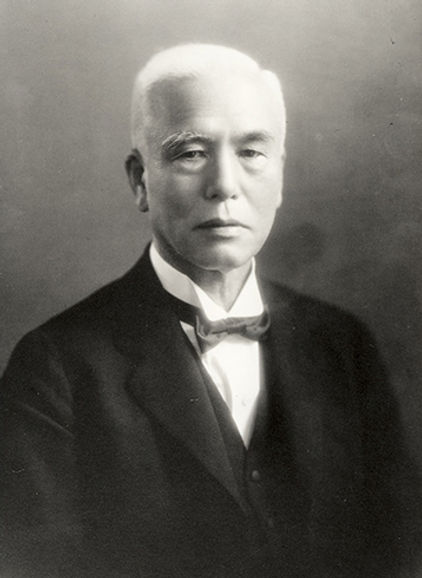
Kintaro Hattori’s entrepreneurial journey began at the young age of 21 when he opened a small shop in Tokyo in 1881. His initial venture, called K. Hattori, was a retail business focused on selling and repairing Western clocks and watches, a product that was still new to Japan at the time. Recognizing the growing interest in timepieces and the opportunity to cater to a more affluent, modernizing society, Hattori sought to expand beyond repair work and into manufacturing.
In 1892, after years of building a solid reputation, Hattori's company, Seikosha, produced its first pocket watch. The success of Seikosha’s pocket watches marked a turning point for the company, allowing Hattori to expand his focus from just sales and repairs to producing high-quality timepieces. His dedication to craftsmanship, accuracy, and precision set Seikosha apart from other local producers.
Hattori's drive for innovation continued, and in 1924, his company introduced the first wristwatch under the Seiko brand name. This launch marked the birth of Seiko as a global watchmaking leader. At the time, wristwatches were gaining popularity worldwide, and Hattori capitalized on this shift, continuing to evolve his designs and production methods to keep pace with technological advancements.
Seiko’s innovations under Hattori's leadership didn’t stop at wristwatches. In 1969, the company introduced the world's first quartz wristwatch, the Seiko Quartz Astron, revolutionizing the watch industry and solidifying Hattori’s legacy as a pioneer in precision timekeeping. His dedication to combining traditional Japanese craftsmanship with cutting-edge technology positioned Seiko as one of the most recognized and respected watch brands globally.
Throughout his life, Kintaro Hattori was known not only for his technical expertise but also for his visionary leadership, which emphasized quality, attention to detail, and continuous improvement. His entrepreneurial journey, which began with a modest watch repair shop, ultimately changed the landscape of watchmaking and cemented his place as one of Japan’s most influential business figures.